SmileKind
  • Home
  • About
    • Our Team
    • Fee Guide
  • Treatments
    • Oral Surgery
    • Dental Implants
    • Periodontal Treatment
    • Cosmetic Dentistry
    • Restorative Dentistry
    • Facial Treatments
    • IV Sedation
  • Contact
  • Dentists Area
    • Referrals
    • Referral Form
    • Courses
    • News

Wisdom Tooth Removal Recovery: What to Expect Day by Day

9/5/2026

0 Comments

 
If you are preparing to have a wisdom tooth removed, it is natural to wonder how sore you may feel, what you will be able to eat and how much time you might need away from work.
Recovery is different for everyone, but knowing the usual pattern can make the first few days feel more manageable. This guide explains a typical wisdom tooth removal recovery timeline, how to care for the area and which symptoms deserve prompt dental advice.
This is general information rather than individual clinical advice. Always follow the instructions given by your own dentist or oral surgeon, as they will know how your tooth was removed and what is appropriate for you.
How long does wisdom tooth removal recovery take?Many people can return to light, normal activities the day after wisdom tooth removal. If the tooth was more difficult to remove, several teeth were treated or you had a general anaesthetic, you may need one to three days away from work.
Pain, swelling, bruising, jaw stiffness and discomfort when chewing can continue for up to two weeks, although they should gradually improve.
Your own recovery may be shorter or longer. The position of the tooth, the complexity of the procedure, your general health, smoking and how your body heals can all make a difference. If your symptoms are worsening rather than settling, contact the clinician who treated you.
Wisdom tooth removal recovery: a day-by-day guideThe first 24 hoursA blood clot forms in the socket where the tooth was removed. This is a normal and important part of healing, so the priority is to protect it.
Some oozing, soreness and swelling are expected. Your mouth may remain numb for a few hours after local anaesthetic, so take care not to bite your lip or cheek. Avoid food or drinks that could burn you while your mouth is numb.
Rest, keep your head comfortably raised and follow the instructions you were given about gauze and bleeding. Choose cool or lukewarm soft foods once the numbness has worn off.
Avoid vigorous rinsing, spitting or disturbing the socket with your tongue or fingers during this early stage.
Days 2 to 3Swelling is often most noticeable on the second or third day. Bruising, a stiff jaw and discomfort when opening your mouth may also occur.
These symptoms do not automatically mean something is wrong, provided they follow the pattern your clinician described and can be managed with the recommended pain relief.
Continue eating soft food and cleaning your mouth carefully. From the day after surgery, gentle warm salt-water or mouthwash rinses may be recommended to help keep the area clean. Do not swish forcefully, and always follow the specific mouth-care instructions supplied by your treating team.
Days 4 to 7Pain and swelling should generally begin to ease. You may still notice jaw stiffness or facial bruising, and chewing may remain uncomfortable.
Increase the texture of your food gradually rather than testing the area with hard or crunchy foods. If you have dissolvable stitches, leave them alone; they will usually disappear without needing to be removed.
A new or marked increase in pain during this period, particularly if you also notice a bad taste, deserves dental advice because it may indicate dry socket or infection.
The second weekMost everyday symptoms should be clearly improving by now, although mild soreness, bruising or stiffness can take up to two weeks to settle.
The gum and the bone beneath it continue to heal after you feel better. Keep the area clean and attend any review your clinician has recommended.
What can you eat after wisdom tooth removal?Start with foods that need little chewing, such as:
  • Yoghurt
  • Smooth soup that is not hot
  • Mashed potato
  • Scrambled egg
  • Porridge
  • Soft pasta
Chew away from the extraction site where possible. As comfort returns, reintroduce firmer foods gradually.
During the early recovery period, avoid:
  • Hard or crunchy foods that could disturb the wound
  • Small foods such as nuts and seeds that could become trapped in the socket
  • Very hot food and drinks while your mouth is numb or the area could bleed
  • Alcohol, particularly while bleeding remains a concern or if it conflicts with prescribed medicines or your aftercare advice
Drink regularly, but follow any specific instructions given after sedation or general anaesthetic. If eating or drinking becomes increasingly difficult, contact your dental team.
How to look after your mouth while it healsGood oral hygiene supports healing, but the socket needs gentle treatment.
Brush the rest of your teeth carefully and avoid catching any stitches or disturbing the blood clot. From the day after the procedure, rinse gently if advised by your clinician. Do not place objects into the socket to try to clean it.
Do not smoke during recovery. NHS guidance notes that smoking can increase the risk of infection and interfere with healing. If stopping feels difficult, a pharmacist or NHS stop-smoking service can discuss suitable support with you.
Pain relief after wisdom tooth removalParacetamol or ibuprofen are commonly used after wisdom tooth removal, but they are not suitable for everyone.
Follow your clinician’s instructions and the information supplied with the medicine. Ask a pharmacist or clinician before taking painkillers if you:
  • Are pregnant
  • Take other medicines
  • Have allergies
  • Have a medical condition that may affect what is safe for you
Do not exceed the stated dose.
Returning to work and exercisePlan a quiet first day and avoid strenuous activity while the blood clot is forming.
Someone with a desk-based routine may feel able to return to work sooner than a person with a physical job. A more complex extraction or the removal of several teeth may also require a longer recovery.
Give yourself some flexibility rather than treating any recovery estimate as a deadline.
When can you drive after wisdom tooth removal?Driving restrictions depend on the anaesthetic or sedation used.
NHS guidance says not to drive for 24 hours after a sedative injection or for 48 hours after a general anaesthetic. Your treating team may give you different or longer restrictions based on your circumstances, and those instructions take priority.
Arrange an escort and transport where required.
What is normal after wisdom tooth removal?Some pain, swelling, bruising, jaw stiffness and difficulty chewing can be part of normal recovery. The overall direction matters: symptoms should begin to settle rather than becoming progressively more severe.
Contact your dentist or oral surgeon urgently if:
  • Bleeding will not stop
  • Pain or swelling is severe or getting worse
  • Recommended pain relief is not helping
  • You have pain together with a bad taste
  • You have a high temperature
  • You feel generally unwell
If you cannot reach your dentist and need urgent dental advice in England, use NHS 111 online or call 111.
Call 999 or go to A&E if you have severe swelling that is affecting your breathing or swallowing, or another life-threatening symptom.
What is dry socket?Dry socket happens when the blood clot over the extraction site does not form properly or is lost before the gum has healed.
It can cause persistent or increasing pain and may slow healing. It needs assessment and treatment by a dental professional. Do not try to manage it by placing home remedies or other objects into the socket.
Could the extraction site be infected?Possible signs of infection include worsening pain or swelling, pain with a bad taste, a high temperature or feeling unwell.
Antibiotics are not routinely needed by everyone after wisdom tooth removal. A clinician should assess whether treatment is required.
Numbness or tingling after wisdom tooth removalNerves can lie close to lower wisdom teeth. Temporary numbness or tingling of the tongue, lip or chin can occur after treatment. Less commonly, altered feeling lasts longer.
Contact your treating clinician if you notice an unexpected change in sensation so they can assess it and advise you.
Nervous about wisdom tooth removal?It is completely reasonable to feel nervous about oral surgery. Tell your dental team what worries you. A clear explanation, agreed signals for taking a break and a realistic aftercare plan can all help you feel more prepared.
SmileKind states that most wisdom tooth removals can be completed using local anaesthetic. IV sedation may also be available for particularly anxious patients.
Sedation is not suitable or necessary for everyone. The appropriate option must be decided after an individual assessment.
Wisdom tooth removal in BournemouthSmileKind provides wisdom tooth removal and other oral surgery treatments at its specialist clinic in Boscombe, Bournemouth.
An assessment is needed to understand why the tooth is causing problems, review any necessary X-rays and discuss whether monitoring, removal or another approach is appropriate. Not every wisdom tooth needs to be removed.
If you have been advised to consider wisdom tooth removal, or would like another opinion, you can read more about wisdom tooth removal at SmileKind or contact the team to arrange a consultation.
You will have the opportunity to ask questions about the procedure, anaesthetic options, risks, alternatives and likely recovery before deciding whether to proceed.
Frequently asked questionsHow many days should I take off work after wisdom tooth removal?Some people return to normal activities the next day, while a difficult removal or general anaesthetic may mean taking one to three days off. Physical work, multiple extractions or a slower recovery can require longer. Ask your clinician for advice based on your treatment.
When does swelling peak after wisdom tooth removal?Swelling is often most noticeable on days two and three before gradually improving. Seek dental advice if it is severe, continues to worsen or is accompanied by increasing pain, a high temperature or feeling unwell.
When can I eat normally again?There is no single day that suits everyone. Begin with soft food and add firmer textures as chewing becomes comfortable. Avoid hard, crunchy or small foods that could disturb the wound or become trapped in it during early healing.
How do I know whether I have dry socket?Dry socket can cause persistent or increasing pain after an extraction. Because pain can have several causes, contact a dentist or oral surgeon for an assessment rather than trying to diagnose it yourself.
Can I brush my teeth after wisdom tooth removal?Yes, but be gentle. Clean your other teeth carefully and avoid damaging the blood clot or stitches. Follow your clinician’s instructions about when and how to clean around the extraction site.
Does every impacted wisdom tooth need removing?No. Wisdom teeth are generally considered for removal when they are causing disease or repeated problems, or when there is another clear clinical reason. An examination and appropriate imaging allow your clinician to discuss the benefits, risks and alternatives with you.
A calm next stepRecovery questions are worth asking before treatment, not only afterwards.
If you are considering wisdom tooth removal in Bournemouth, SmileKind’s team can assess the tooth and explain your options without assuming that removal is right for you.
Read about wisdom tooth removal at SmileKind or contact the clinic when you feel ready to discuss an appointment.
0 Comments

Skin Talk - Episode 1 Chemical Peels

7/19/2020

13 Comments

 
In this episode Sami & Laurie discuss how chemical peel treatments can be used to manage a variety of skin concerns.
13 Comments

Questions to Ask Your Invisalign dentist

2/27/2019

5 Comments

 
Picture
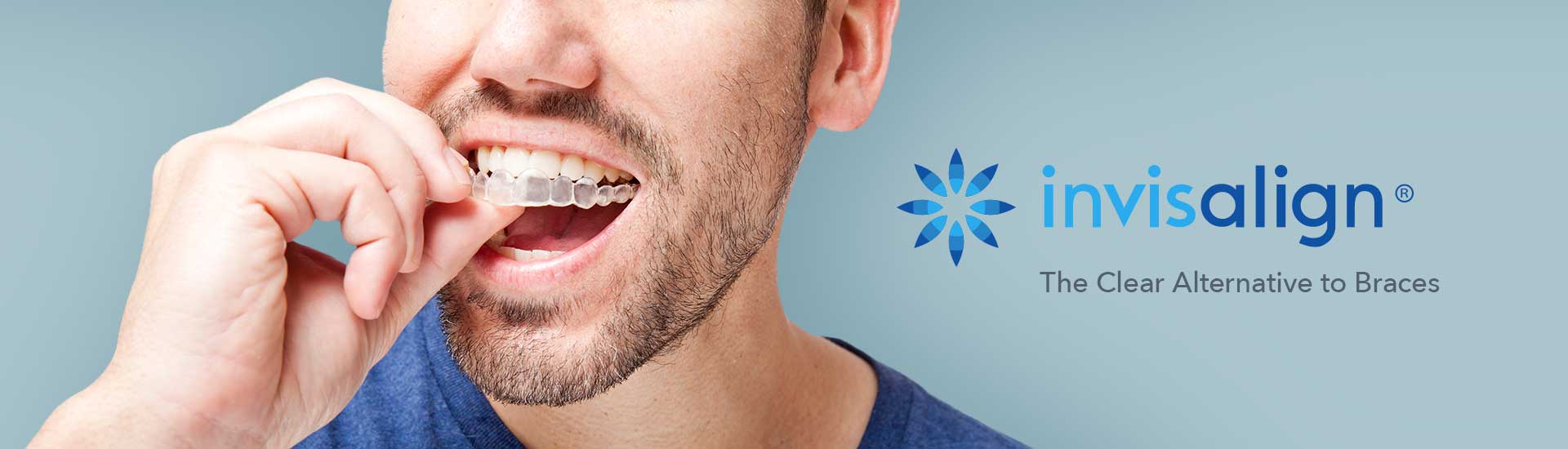
​If you are considering straightening your teeth you will undoubtedly have heard about Invisalign, the clear alternative to braces and one of the most popular treatment choices in the world!
 
So you have decided that you’d like to avoid metal braces and want to find out if Invisalign could be the right choice for you? But what should you ask your dentist before making the commitment to get that beautiful straight smile?
 
It’s important that you understand the process of Invisalign and whats involved, this could include?
  • What does the treatment process involve?
  • How long will it take to see results?
  • How long will my treatment last?
  • Do I have to visit the dental office often?
  • Will I have any restrictions during treatment?
  • How comfortable are the aligners?
  • Will I need a retainer after my treatment is complete?
The other important thing to understand is the cost, get a detailed quotation and breakdown for your treatment to show you exactly what you are spending.  Ask about whether your price includes things like retainers, whitening or bonding to improve the shape of your teeth once treatment is finished.
 
Invisalign is offered by thousands of dentists worldwide so how do you know you are choosing the right one? Things to consider:
  • How many Invisalign cases have they completed
  • Can they show you examples
  • Can they provide you with testimonials from other Invisalign patients
 
It’s important to feel confident that you are in good hands with an Invisalign provider that is experienced and can show a track record of success.
 
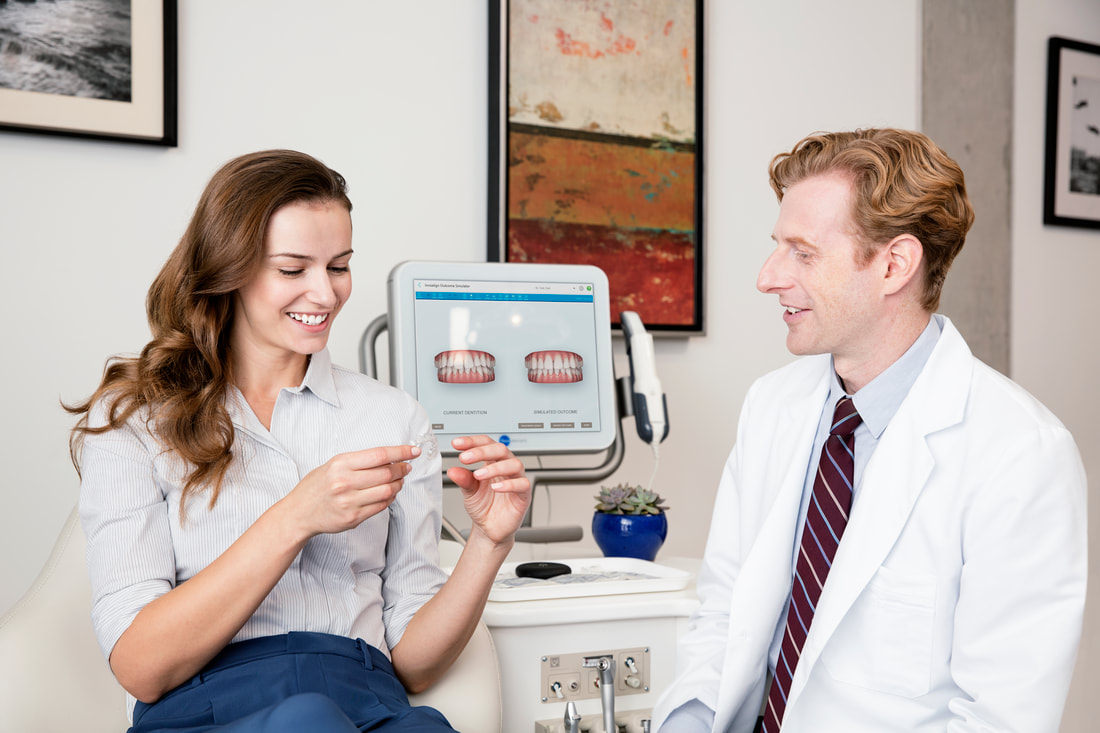
At SmileKind we can show you within minutes what your smile could look like after Invisalign treatment by using the amazing iTero scanner giving us the ability to show you an instant simulation of your new smile!
 
Book your FREE consultation and let us answer all of your Invisalign questions!
BOOK YOUR FREE CONSULTATION
5 Comments

Tips for living with dentures

2/26/2019

5 Comments

 
Picture
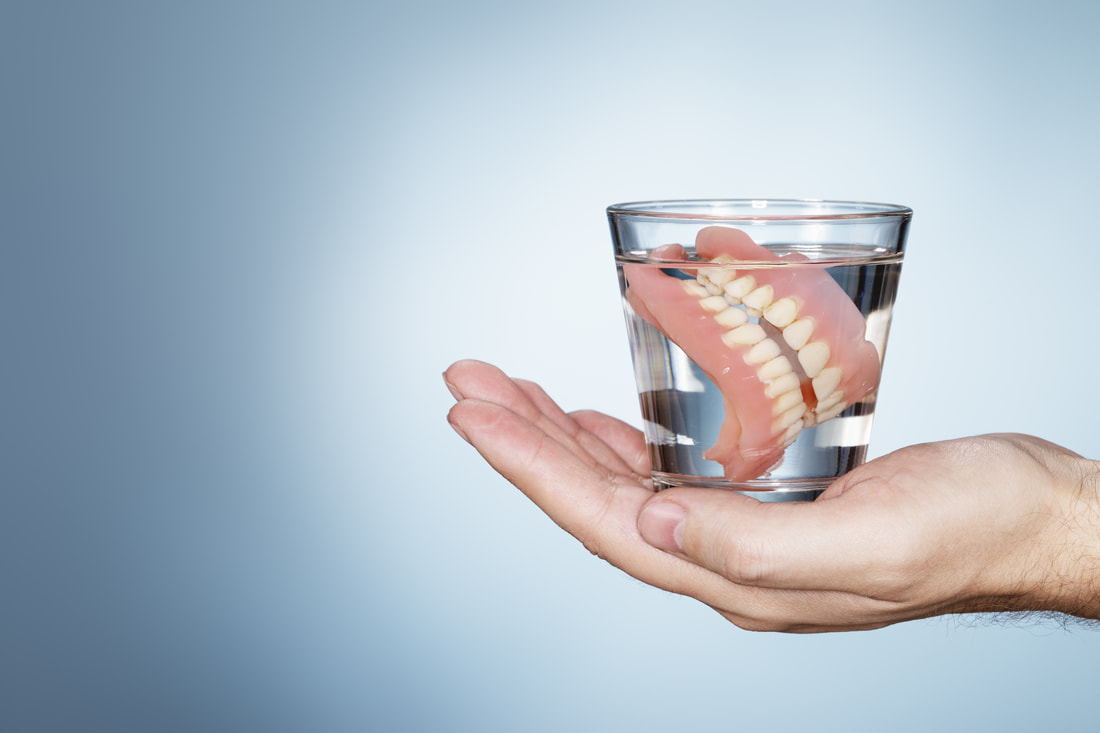
Starting your Denture journey can be a challenge. Learning to eat, speak and smile with false teeth doesn’t always come naturally but it can be a vast improvement than living with missing teeth.
 
Here are our top tips for living with dentures to help you smile with confidence.

  1. Practice Speaking- when you first get your new dentures it’s a good idea to practice speaking, read a book out loud or in front of the mirror.  This will help your mouth get used to the feeling of the new dentures and will help your muscles adapt more quickly to having them in your mouth.  You will soon feel more confident speaking with your new dentures in place.
  2. Keep your dentures clean- use a soft brush to gently clean your dentures twice a day to prevent plaque build-up.  It’s best to clean them over a filled bowl or sink to avoid any accidents if you drop them! Plaque build up on your dentures will cause bad breath and can lead to unsightly staining on your new teeth.
  3. Take care of your gums- a soft brush should be used to gently clean your gums twice a day, keeping your gums healthy is essential even when you have lost your teeth.  Remember to leave your dentures out overnight to give your gums a rest.
  4. Don’t panic if they slip- dentures are prone to moving around, even when they fit well, sometimes an abrupt movement like sneezing, smiling or laughing may cause them to move.  It’s good to know that when this happens the best thing you can do is to bite down and swallow, this will help settle them back into place.  If your dentures are moving excessively you should visit your dentist to get them checked.
 
To find out more about dentures and denture alternatives call us to book your consultation.
REQUEST AN APPOINTMENT
5 Comments

Invisalign Questions Answered

2/20/2019

3 Comments

 
Picture
​Invisalign is the worlds most popular short-term orthodontic system for straightening teeth!  Having helped more than 6million patients worldwide this tried and tested treatment offers an amazing alternative to metal braces.  Here we will tell you everything you need to know about this revolutionary treatment.
 
What is ​Invisalign
​Invisalign is a revolutionary system for straightening teeth.  It uses a series of custom made clear aligners that are worn over your teeth to gently guide teeth into a straighter position.
 
How does ​Invisalign work
Your dentist will create a bespoke digital treatment plan which is then used to custom print a series of aligners that are designed specifically to apply just the right amount of pressure in the right place to gently move your teeth into their new position under the close supervision of your ​Invisalign dentist.
 
Who can have ​Invisalign treatment
Whether your suitable for ​Invisalign treatment will depend on the complexity of your teeth position.  At SmileKind we use the amazing iTero scanner to allow us to get an instant decision about whether you are a suitable candidate for ​Invisalign treatment and what end result you can expect.
 
How long does ​Invisalign treatment take
The time it takes to complete ​Invisalign treatment varies from person to person and is influenced by a variety of factors including the complexity of your case and how often you wear your aligners.  An average treatment time is 12-18 months however in some cases it may be quicker depending upon how much movement is needed.
 
How much does ​Invisalign treatment cost and how can I pay
The cost of ​Invisalign treatment depends on the complexity of your case and how many aligners are required to get you to your final outcome.  At SmileKind our ​Invisalign treatments start from £1,900, we offer flexible payment plans including 0% finance to allow you to spread the cost of treatment.
 
Does ​Invisalign treatment hurt
​Invisalign is not painful however it is likely that you will experience some minor discomfort for a day or so following aligner changes as your teeth adapt to the new position.  We usually recommend normal over the counter pain relief to manage this stage if needed.
 
Why should I choose Invisalign over other short-term orthodontic treatments
The treatment that you chose should be a decision based on what best suits your individual needs.  Invisalign is a great system that offer fantastic results but it is not for everyone, at SmileKind we will go through all of your options and help you to select the treatment that is most appropriate to your own needs.
 
What can I expect living with ​Invisalign
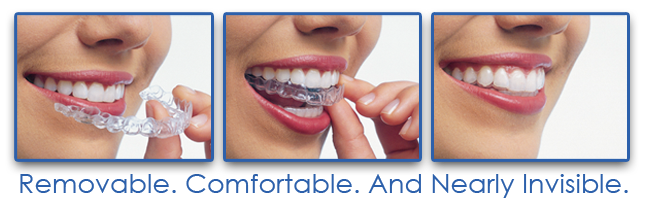
Living with ​Invisalign is very simple, you must remember to wear your aligners at all times expect when you’re eating & cleaning your teeth.  ​Invisalign aligners are nearly ​Invisalign so you can be confident that your treatment can remain discrete and not interfere with your daily life.  When you first start wearing your aligner you might notice some disruption to your speech, this will pass quickly the more you wear your aligners and practice speaking the quicker your mouth will adapt and your speech will return to normal.
 
What will happen when I finish treatment
When you reach the end of your Invisalign journey you will have that beautiful smile that you were hoping for and we will help you keep it that way.  You will need to wear a retainer either a removable one that you wear at night and/or a fixed wire bonded to the backs of your teeth.  This ensures your teeth stay in their new position, without retainers they will slowly drift back.  As part of your treatment we might recommend tooth whitening or composite bonding to allow us to improve the shape and colour of your teeth to really enhance your new smile, this will all be discussed and planned before you start treatment.
 
So now you know everthing you need to know about ​Invisalign, what are you waiting for? Book your FREE consultation today and see what your smile could look like!

BOOK YOUR FREE CONSULTATION
3 Comments

5 Common Problems when living with missing teeth

2/19/2019

19 Comments

 
Picture
​When we lose a tooth we immediately think the problem is going to be living with a gap but having a missing tooth can also lead to other problems too.

  1. Enjoying the Foods you once loved- Did you know that for every tooth you are missing you loose 10% of your chewing ability? Making it harder to enjoy the foods you once enjoyed.
  2. Damage to other teeth- Having a gap puts added stress and strain on the surrounding teeth, these teeth begin to drift and tilt throwing the balance of your bite off kilter.  This often, over time, results in damage to the remaining teeth as they are subjected to biting forces that are no longer evenly distributed.
  3. Increased risk of gum disease & decay- The drifting and tilting of your remaining teeth also poses a hygiene challenge, these teeth become much more difficult to keep clean leading to a higher risk of gum disease an decay.
  4. Facial Structure- Biting on our teeth helps to stimulate the production & regeneration  of our jaw bone, these bones form the structure and support for our facial tissues. When teeth are lost the bone structure shrinks away leaving our faces looking sunken and aged. 
  5. Self-confidence- Having missing teeth can limit our self-confidence and our willingness to smile, embarrassment of a missing tooth can lead to avoidance of social situations and your self-esteem can take a real hit.
 
Don’t suffer the effects of missing teeth, with so many options for replacing teeth there is no longer and reason to limit yourself.  Get in touch today to ask us about how we could help you get your smile back!
REQUEST AN APPOINTMENT
19 Comments

Lifting without surgery

2/14/2019

1 Comment

 
Picture
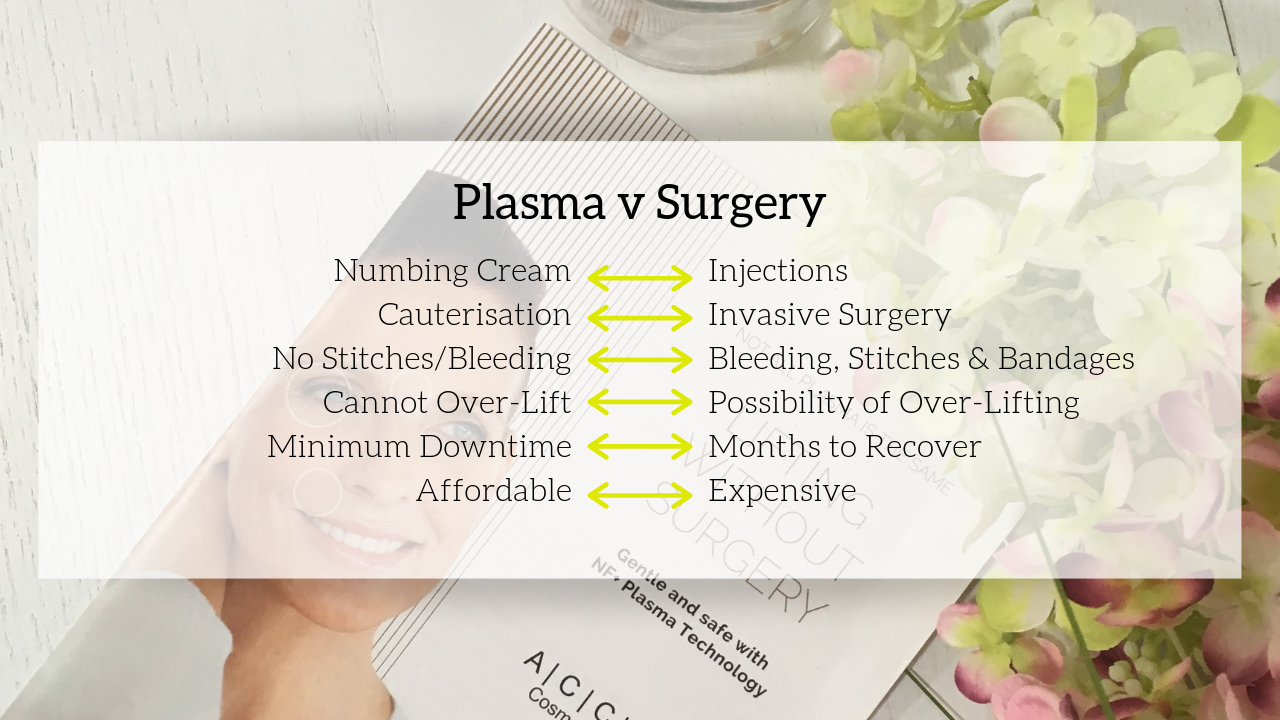
Plasma treatment is a great option for tightening skin and a fantastic alternative to more invasive surgical procedures!

Plasma treatment can be used to tighten the skin on the face and the neck using NF+ Plasma technology.  It is particularly effective at tightening around the eyes (non-surgical blepharoplasty) and also at lifting and tightening the skin around the jaw line and neck.
Book your FREE consultation today to learn more.
Request an Appointment
1 Comment

wHY DO i HAVE A GAP BETWEEN MY FRONT TEETH?

2/13/2019

6 Comments

 
Picture
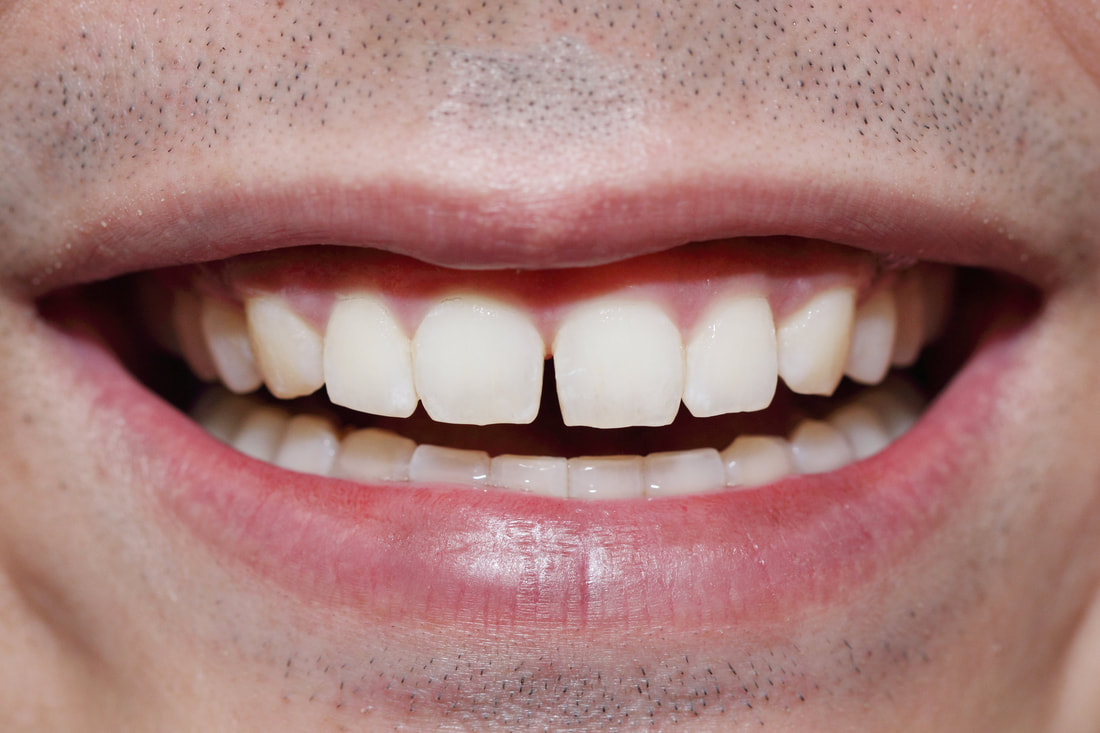
​Some people have a visible gap between their front teeth, this is known as a diastema.
 
A diastema is common in children and usually closes naturally as they grow however if a diastema remains after all the adult teeth have erupted, it will usually require intervention to close it.
 
A diastema can be caused by a number of things, usually it’s due to a discrepancy between the size of the jaw and size of the teeth, the teeth are too small for the jaw resulting in teeth being spaced apart. Diastemas can also form due to poor habits like thumb sucking or prolonged use of a dummy in childhood.
 
Missing teeth also contribute to Diastema as the teeth can drift leaving spaces between them.
 
There are also anatomical factors such as large or tight labial frenum (the tissue that connects your lips and gum).
 
Closing the Gap
If you are an adult living with a diastema at the front teeth then you may have wondered what options are available for closing this gap.

  • Replace missing teeth: this is an option if your gap is caused by missing teeth and these teeth could be replaced with a denture, bridge or dental implant.
  • Composite Bonding: if the diastema is a result of the teeth being too small or misshapen then a white filling material known as composite could be bonded to the teeth to give them a more uniform shape and size.
  • Veneers: if bonding is not suitable then porcelain veneers could be use to re-shape the teeth to close the gap.
  • Braces/Aligners: an orthodontic appliance could be used to gently push the teeth closer together.
  • Surgery: if the size of the labial frenum is the issue then a frenectomy could be performed prior closing the space, this would involve removing or reducing the frenum to allow the space to be closed.
 
If you have a diastema and you would like to learn more about having it closed get in touch to find out how we could help.

REQUEST AN APPOINTMENT
6 Comments

Dentures v's dental implants

2/12/2019

3 Comments

 
Picture
​You’ve lost several teeth…….now what?
 
Having multiple missing teeth can be very distressing and emotional, it can sometimes seem difficult to know which way to turn when it comes to replacing the lost teeth.
 
Should you just live with the gaps? This might seem like the obvious choice, but you might find it more difficult to enjoy a variety of foods and you will likely feel self-conscious when you smile.
 
Should you get a denture? Or should you go down the route of dental implants?
 
It’s a hard decision to make, here is our run down of the various pros and cons for each treatment.
 
Dentures:
 
Pros: a denture is a relatively quick and cost-effective option.  You could have your new denture in as little as 3-4 weeks and it will certainly be the cheaper option when compared to the alternatives.  If you are expecting to lose more teeth in the future, you may be able to add teeth onto your denture as and when you need to.  
 
Cons: dentures are not fixed so they will move around when you eat and speak, this will limit the types of foods that you can enjoy.  With no teeth to stimulate the bone, it will shrink away meaning overtime your denture will become loose and uncomfortable and will ultimately need to be replaced. Life with dentures can be challenging and it can leave you feeling uncomfortable in social situations and effect your confidence and self-esteem.  
 
Dental Implants:
 
Pros: Implants are fixed, they fit into the jaw bone to replace the root of a tooth meaning they do not move around like dentures. Dental implants don’t damage other teeth, they look, feel & function like a real tooth so you can enjoy all the different foods that you want without restriction.  Thanks to the natural look and feel of your new teeth you will feel much more confident in social situations. Unlike some of the alternatives dental implants will provide a predictable and long-term outcome that when cared for will last you for the foreseeable future.
 
Cons: treatment takes longer than the alternatives, you may need several appointments over the course of several months and you will be required to undergo surgical treatment. The initial cost will be higher than a denture.
 
Deciding which option is best for you will depend on several factors that will ultimately drive your decision on the best tooth replacement option.  If you’d like to talk though these options and get some help figuring out which is the right path for you, book your consultation today.

Request an Appointment
3 Comments

Set to be This Years most popular treatment

2/7/2019

2 Comments

 
Profhilo is a game changer!

This revolutionary injectable treatment stimulates the natural production of skins building blocks collagen and elastin, the result is your skin is firmer, fuller and more radiant! Results are natural and dramatically improve the tone & texture of your skin.
Book your consultation to find out how Profhilo could help improve your skin!
Request an Appointment
2 Comments
<<Previous

    SmileKind

    Keep up to date with everything happening at SmileKind

    Archives

    September 2026
    July 2020
    February 2019
    November 2018
    August 2018
    July 2018

    Categories

    All
    Ageing
    Clear Braces
    Cosmetic Treatments
    Dental Implants
    Dentures
    Dermal Fillers
    Facial Treatments
    Invisalign
    Lip Fillers
    Oral Surgery
    Plasma Pen
    Profhilo
    Replace Missing Teeth
    Straight Teeth

    RSS Feed

    Business Directory
Smile Kind 30 Ashley Road Bournemouth BH1 4LH
t. 01202 022146 e. [email protected]


SmileKind Ltd is regulated by the Care Quality Commission and the General Dental Council.  SmileKind Ltd is authorised and regulated by the Financial Conduct Authority.

SmileKind Ltd is a registered company in England & Wales, company no 07959710.

​Website by Practice Perfection 

Contact Us

    Subscribe Today!

Submit
  • Home
  • About
    • Our Team
    • Fee Guide
  • Treatments
    • Oral Surgery
    • Dental Implants
    • Periodontal Treatment
    • Cosmetic Dentistry
    • Restorative Dentistry
    • Facial Treatments
    • IV Sedation
  • Contact
  • Dentists Area
    • Referrals
    • Referral Form
    • Courses
    • News